
Welcome To Zytech Contractors
- 08:00 am - 05:00 pm
- We Serve with Pleasure
- 0745 943 905
- Discuss any Queries

Property Sketching
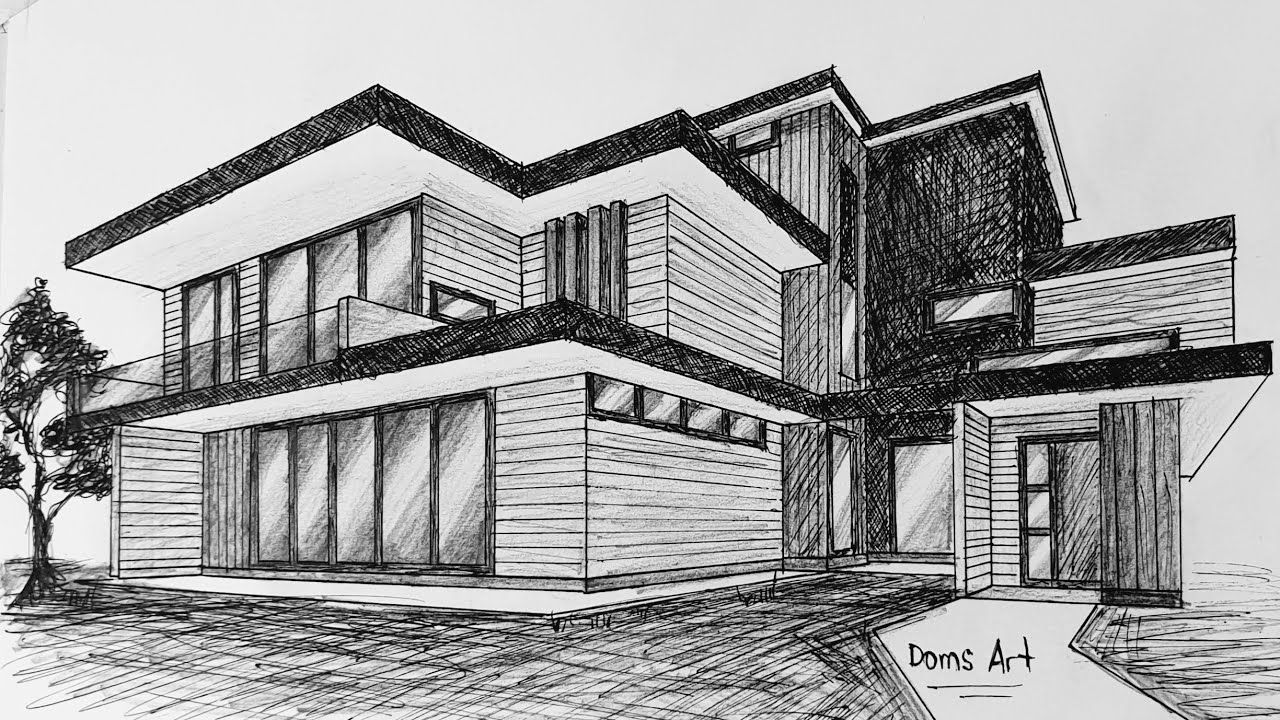
Property Sketching
- Layout and Dimensions: The sketch shows the layout of the property, including floor plans, room dimensions, lot boundaries, and the placement of structures like buildings, fences, and driveways.
- Scale Representation: A property sketch is usually drawn to scale to accurately represent the proportions of the property in relation to actual dimensions.
- Building Features: Detailed elements such as doors, windows, walls, and sometimes even furniture placement are indicated in the sketch.
- Exterior Features: It might also include external features like gardens, patios, parking spaces, and surrounding landscape elements.
- Annotations: Important labels and measurements are often annotated to highlight key areas such as property boundaries, easements, or unique features.
- Use in Appraisals: Property sketching is crucial in appraisals, where it helps assessors understand the property’s size, layout, and functional areas, which are important for valuation.
- Digital Tools: Today, property sketching is frequently done using specialized software (e.g., AutoCAD, SketchUp, or property appraisal software), which can generate precise 2D or even 3D models of the property.
- Compliance and Regulation: In some contexts, property sketches must comply with local regulations, especially when submitting for permits or property valuation.
Need more information?
Please email us and our support staff will contact you back