
Welcome To Zytech Contractors
- 08:00 am - 05:00 pm
- We Serve with Pleasure
- 0745 943 905
- Discuss any Queries

Plan Approvals
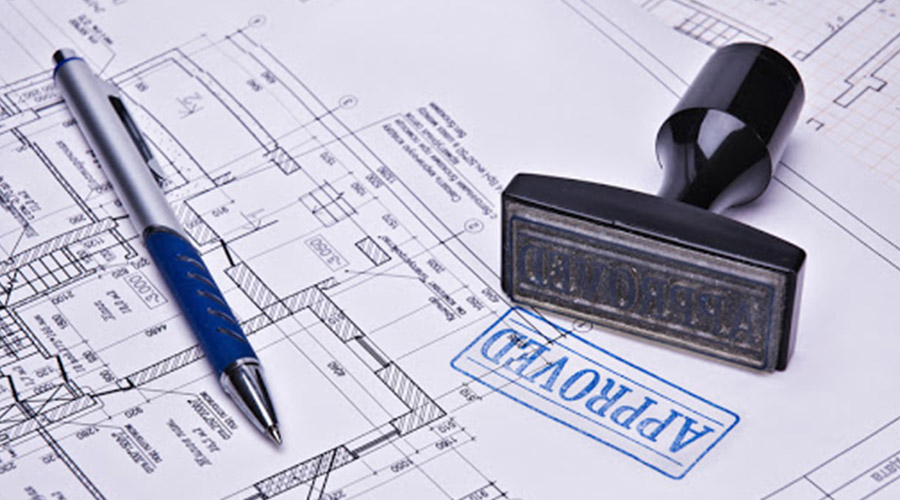
Plan Approvals
1. Submission of Plans
- Site Plan: Includes layout of the proposed development, location of buildings, roads, utilities, and landscaping.
- Architectural Plans: Blueprints showing the design of structures, including dimensions, materials, and aesthetics.
- Structural Plans: Details the structural integrity of the buildings, including foundations, load-bearing elements, and reinforcement.
- Utility Plans: Maps out water, sewage, electrical, and gas lines.
- Grading and Drainage Plans: Outlines how water will be managed on the site to prevent flooding and erosion.
- Traffic Impact Study: Evaluates the potential effects of the project on local traffic patterns and transportation systems.
2. Review by Regulatory Bodies
The submitted plans are reviewed by various departments and agencies, which may include:- Local Zoning Authorities: Ensure the project complies with zoning laws regarding land use, building height, density, and setbacks.
- Building Code Officials: Check for compliance with local and national building codes, including structural safety, fire safety, and accessibility standards.
- Environmental Agencies: Assess the environmental impact of the project, including effects on water quality, vegetation, and wildlife.
- Public Works Departments: Review plans for public infrastructure, such as roads, drainage systems, and utility connections.
- Traffic Departments: Ensure the project will not negatively affect traffic flow or require new road infrastructure.
3. Environmental and Safety Considerations
Plans are evaluated to ensure they:- Mitigate environmental impact, such as managing stormwater runoff or minimizing air and noise pollution.
- Adhere to safety standards for construction workers, occupants, and the public.
- Comply with laws regarding soil stability, flood zones, seismic activity, or other geological risks.
4. Public Consultation (if required)
Some projects require input or approval from the public, especially if the project has the potential to impact nearby communities. This may include public hearings or a period for public comments.5. Permits and Conditions
Once the plans meet all necessary requirements, permits are issued. These may include:- Building Permits: Allow for construction based on the approved plans.
- Environmental Permits: Ensure the project complies with environmental protection laws.
- Utility Permits: Ensure that connections to public utilities, such as water and sewage systems, are safe and compliant.
6. Inspections During Construction
Once the civil plan is approved and construction begins, the project may undergo periodic inspections by regulatory agencies to ensure it adheres to the approved plans. These inspections verify compliance with building codes and safety regulations at different stages of construction.7. Final Approval
After construction is completed, the final inspection takes place. If the construction complies with all the approved plans and regulations, a Certificate of Occupancy or similar approval is issued, allowing the building or infrastructure to be used.Need more information?
Please email us and our support staff will contact you back